.
Linnell
Edwards
Oil, pastel, and fiber. Race, identity, and Black masculinity through abstraction and figuration. I came to painting through burnout. After fifteen years in entertainment, I started making art as a way back to my own story. My work interrogates how Black life is represented, remembered, and erased.
Selected Works
A nine-piece series. A solo exhibition. The work that started everything. Explore the full body of work and the ideas behind it.
View the Series
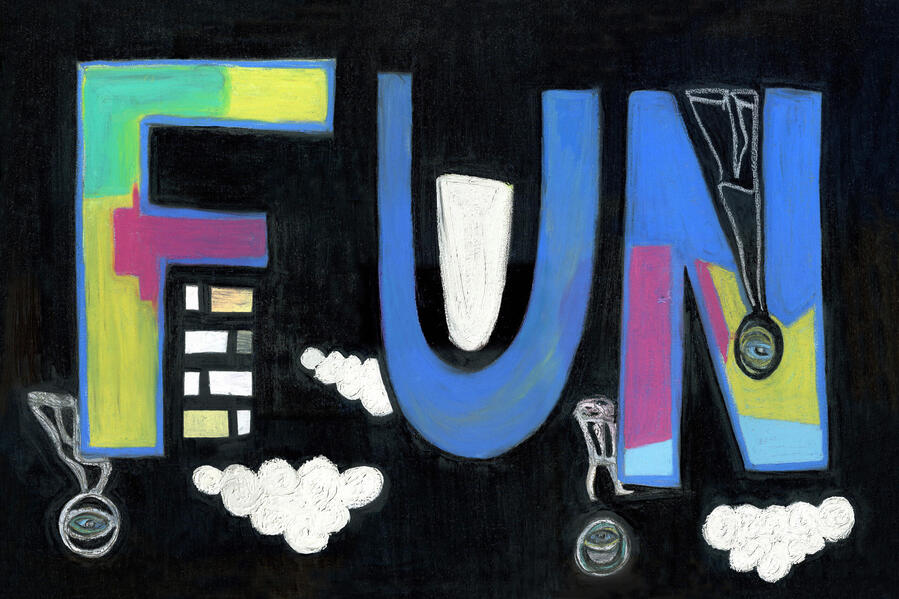
Letters as architecture. Joy as provocation. FUN refuses the expectation that Black expression must always carry the weight of suffering to be taken seriously. It insists on pleasure as a political position, color as argument, and play as a form of resistance that the culture keeps trying to tax.
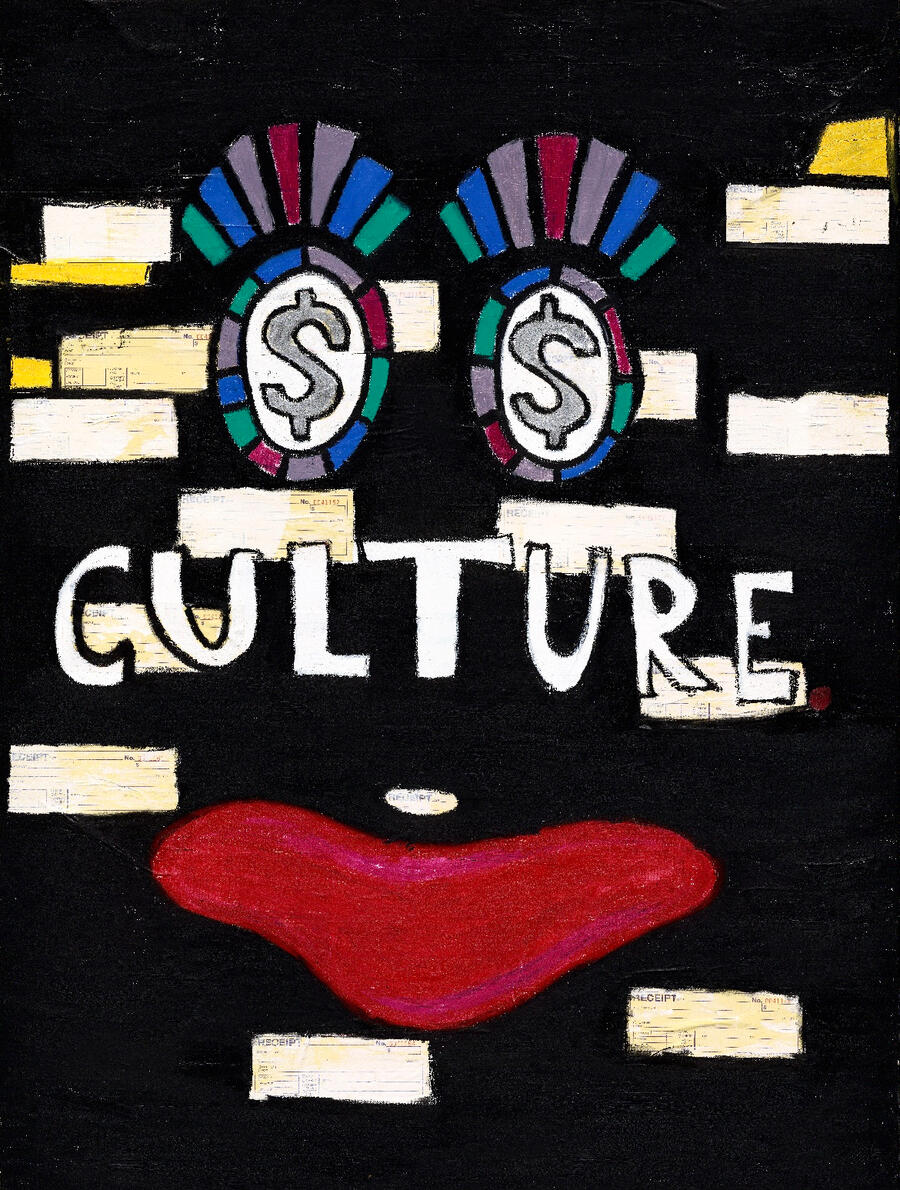
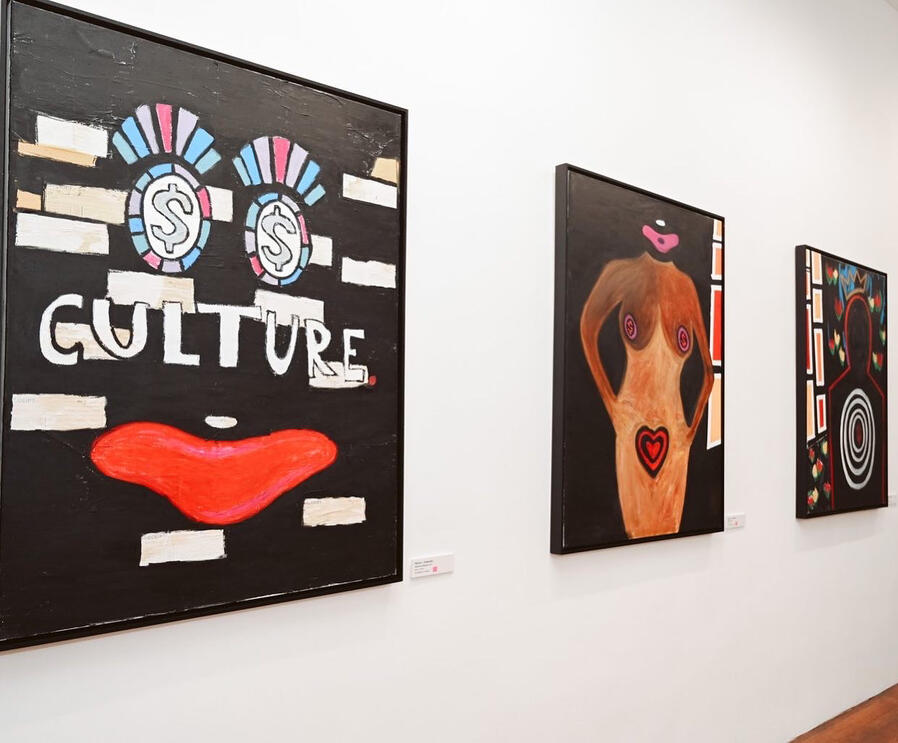
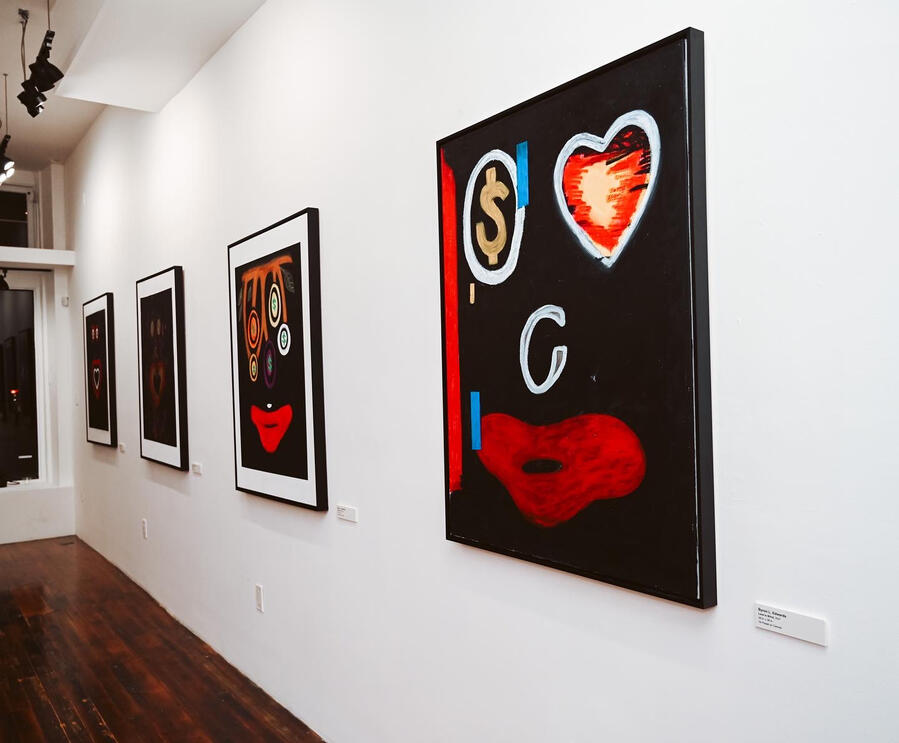
From the nine-piece Minstrel Show series examining the visual economy of anti-Black caricature. American Beauty holds the myth of the nation's self-image against the body it has always feared and desired in equal measure. The painting does not resolve the contradiction. It lives inside it.
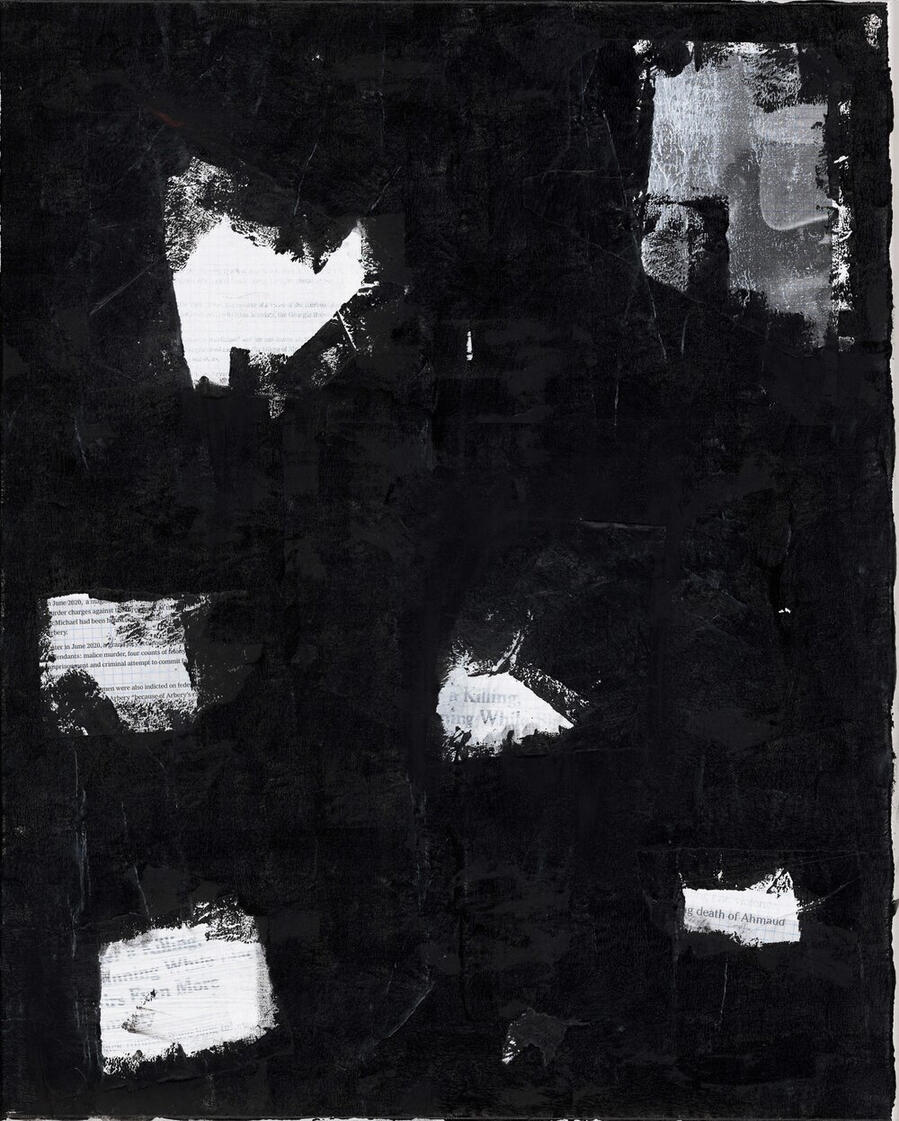
Torn newsprint pressed into acrylic surface, the record of a murder embedded in the material of the painting itself. Made in response to the killing of Ahmaud Arbery, this work operates as memorial, indictment, and refusal. The state tried to disappear what happened. The painting insists it will not be buried again.
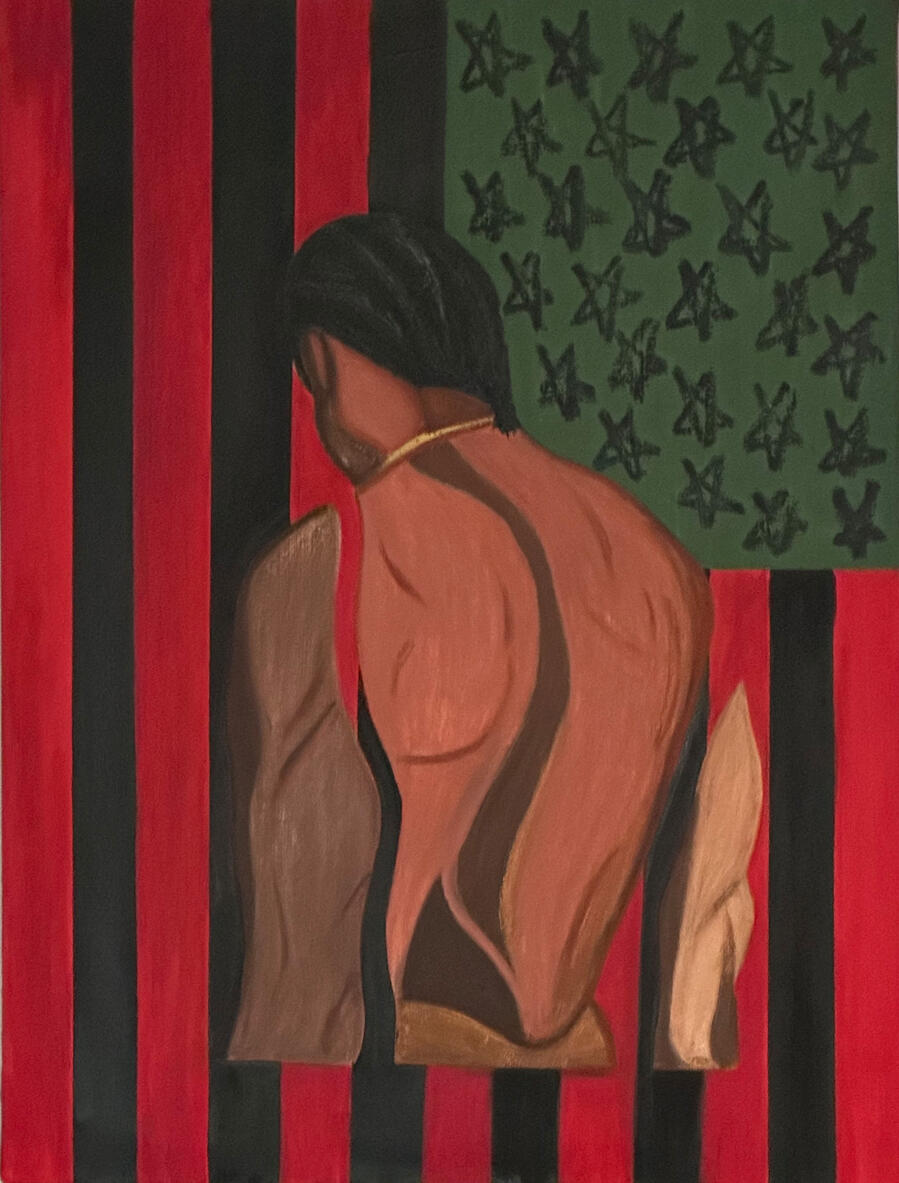
A self-portrait painted atop a reimagined African American flag. The work interrogates who gets to inhabit, to belong, and to thrive in spaces historically closed to Black bodies. It is both resistance and return. This is not just about survival. It is about taking up space, rightfully.
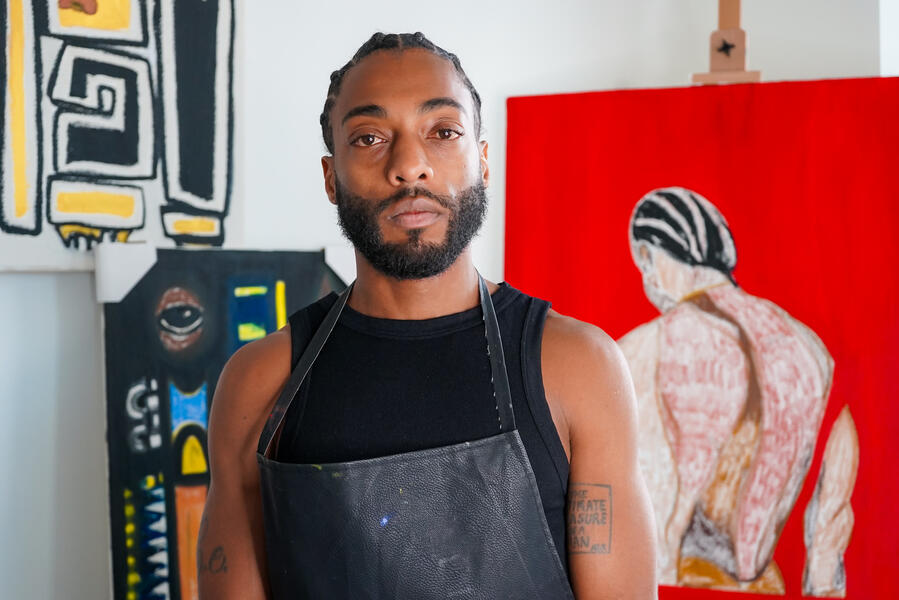
Let's Work.
Commissions, exhibitions, acquisitions, graduate inquiries, licensing, and Wellness programming.
Art that holds
what words cannot.
The
Minstrel
Show
What the Series Intended
The Minstrel Show was not named lightly. It is a direct confrontation with a performance tradition that shaped how Black people have been seen in America since the early 1800s. Minstrelsy gave the country permission to laugh at caricature, to consume Black suffering as entertainment, and to call that entertainment culture.
The nine paintings in this series trace that visual language from its origins in coon caricature through its contemporary iterations in media, advertising, and popular culture. The argument is that the form has changed but the function has not. Black life in America continues to be managed, distorted, and commodified for the consumption of others.
Each painting in the series holds a specific figure or archetype, rendered in the deliberately childlike visual language that defines the practice. The paintings do not explain. They do not comfort. They insist on being looked at directly.
November 2021
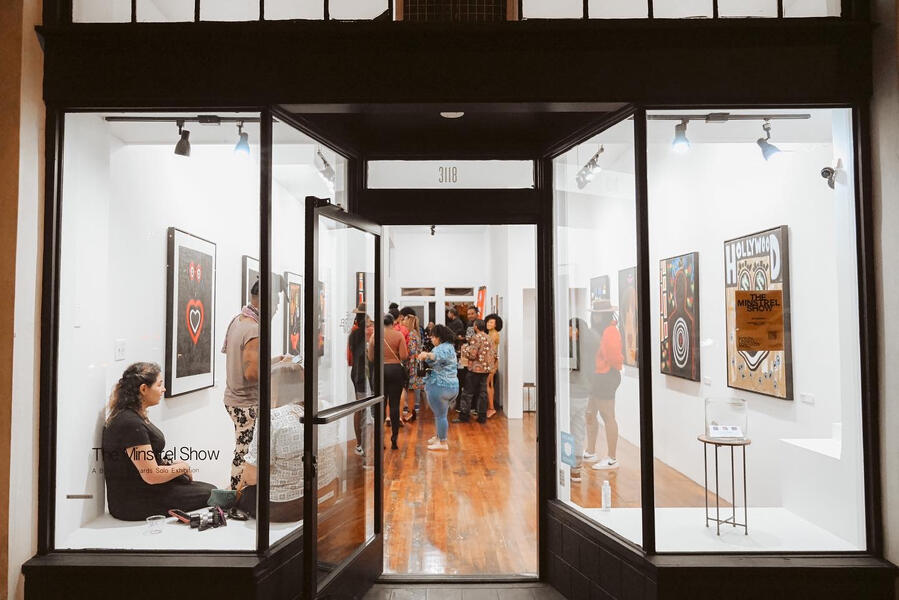
The Minstrel Show opened in November 2021 at The Pop Up Shop in Los Angeles, California. It was Byron Linnell Edwards' first solo exhibition and the debut of a practice that had been developing in private throughout the pandemic.
The works were received by collectors, curators, and cultural figures across Los Angeles. Several pieces entered private collections the night of the opening. The exhibition ran for a limited period and was not restaged.
The body of work that followed, including commissions for Visa and BET Networks, grew directly from the critical and commercial reception of this series.
